
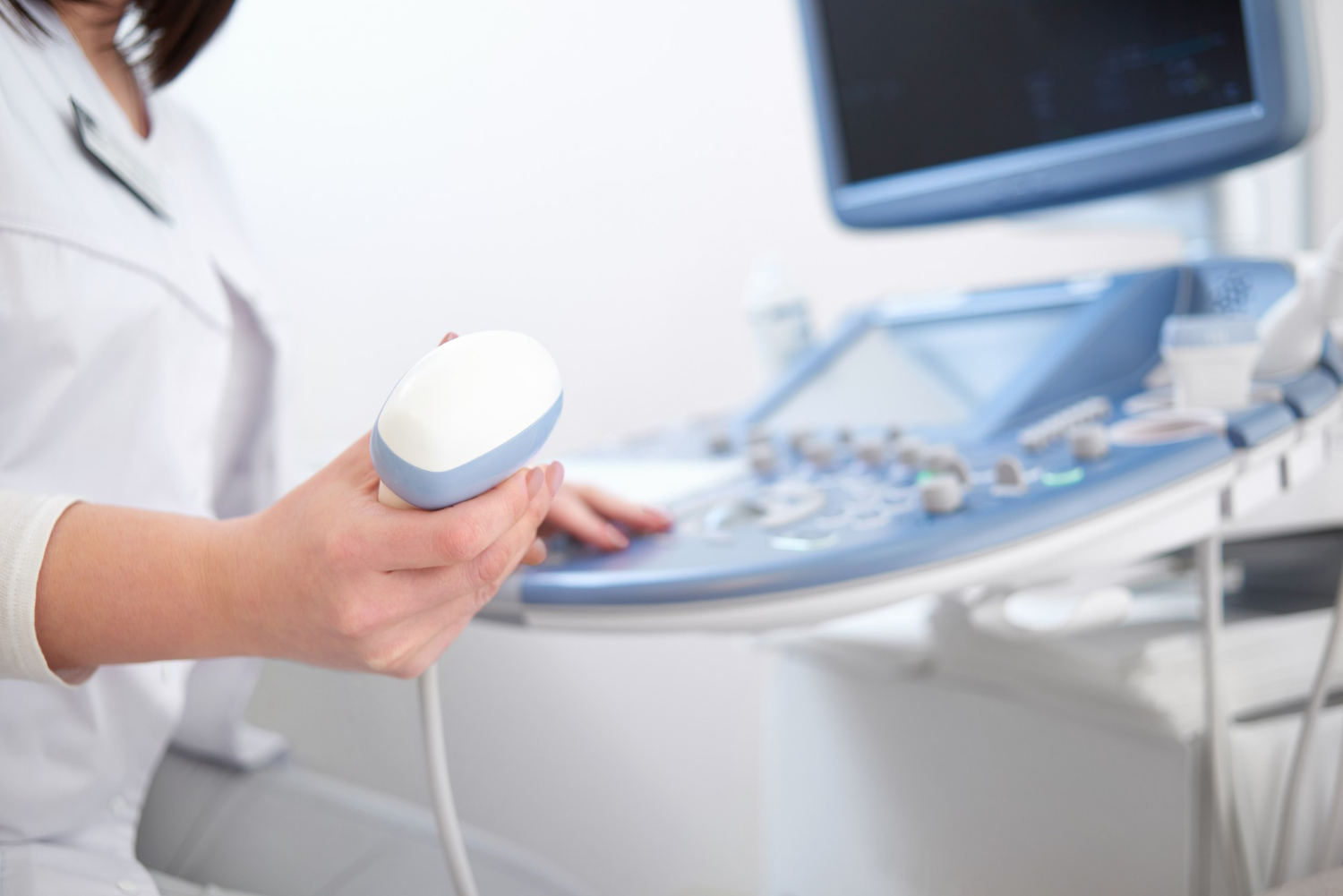
At Anvitha Health Care and Diagnostics, ultrasound services support the evaluation of various health conditions through safe, non-invasive medical imaging. Ultrasound scans use high-frequency sound waves to create images of internal organs, tissues, and developing babies during pregnancy. These scans help healthcare professionals assess specific concerns, monitor changes, and support informed medical decisions.
Ultrasound imaging is commonly used in pregnancy care, abdominal examinations, pelvic assessments, and the evaluation of selected soft tissues. The type of scan recommended depends on the patient’s symptoms, medical history, and the information required by the referring healthcare professional.
Ultrasound imaging can be used for different diagnostic purposes, depending on the area being examined.
Obstetric Ultrasound: Used during pregnancy to assess fetal development, estimate gestational age, monitor growth, and evaluate the baby’s position, as clinically indicated.
Abdominal Ultrasound: Helps examine organs such as the liver, gallbladder, kidneys, pancreas, and spleen to investigate specific symptoms or suspected abnormalities.
Pelvic Ultrasound: Used to assess pelvic organs, including the uterus and ovaries, and may help investigate menstrual concerns, pelvic discomfort, or selected gynaecological conditions.
Transvaginal Ultrasound: A specialised pelvic scan that provides detailed images of the uterus, ovaries, and surrounding structures when clinically appropriate.
Breast Ultrasound: May help evaluate breast lumps or other breast changes and complement clinical examination or additional imaging when recommended.
Doppler Ultrasound: Assesses blood flow through selected blood vessels and may help evaluate certain vascular conditions.
The availability and suitability of each scan depend on the clinical requirement and the diagnostic facilities offered.
An ultrasound scan may be recommended to investigate abdominal or pelvic pain, monitor pregnancy, assess certain organ abnormalities, evaluate lumps, or follow up on previously identified findings. It may also be used to guide specific medical procedures when necessary.
Ultrasound does not use ionising radiation, making it useful for many diagnostic applications, including pregnancy monitoring. However, it may not provide sufficient information for every condition, and additional investigations may sometimes be required.
The procedure generally involves applying a water-based gel to the skin and moving a handheld probe over the area being examined. Some scans require a full bladder or fasting beforehand, while others may involve an internal probe. Preparation instructions depend on the type of ultrasound requested.
Most external ultrasound scans are painless, although mild pressure may be felt during the examination. Patients should follow the instructions provided before their appointment and share relevant medical information with the healthcare team.
At Anvitha Health Care and Diagnostics, ultrasound services form part of the diagnostic support available for appropriate medical evaluations. Scan selection and interpretation should be guided by qualified healthcare professionals, with further consultation or testing arranged when required.