Vascular services focus on the evaluation, diagnosis, and management of conditions affecting blood vessels and circulation. Healthy blood circulation is essential for delivering oxygen and nutrients throughout the body. Vascular problems can affect the veins and arteries and may cause symptoms such as swelling, pain, heaviness, skin changes, visible veins, or circulation-related complications.
Our Vascular Services include varicose veins treatment, DVT treatment, and comprehensive vascular care. Early evaluation of persistent vascular symptoms can help identify the underlying condition and determine an appropriate management approach.
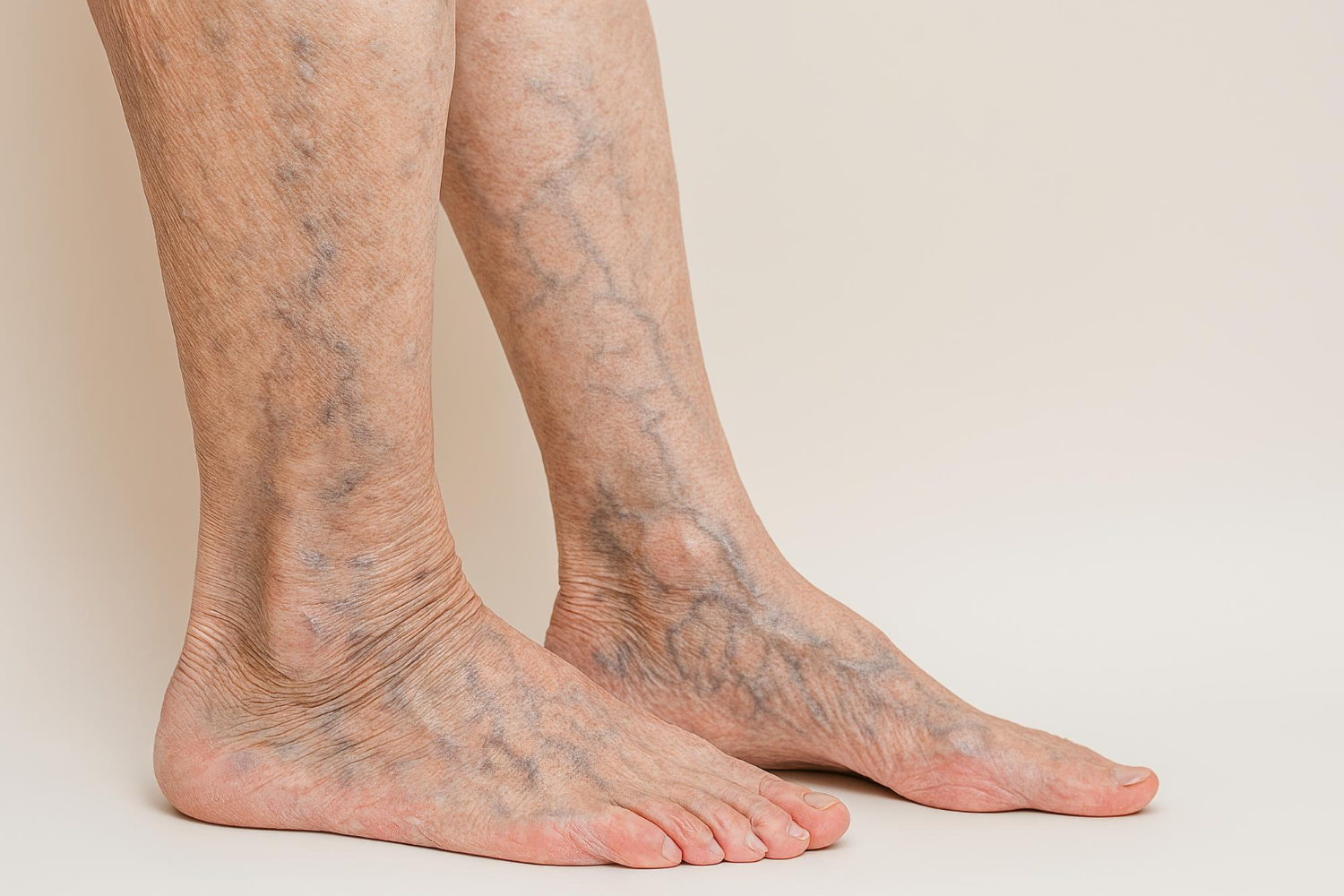
Varicose veins are enlarged, twisted veins that commonly appear in the legs. They may cause visible veins, aching, heaviness, swelling, itching, or discomfort, particularly after prolonged standing.
Varicose vein evaluation may consider:
Treatment depends on the severity and underlying cause. Depending on individual requirements, management may include lifestyle guidance, compression therapy, medication, minimally invasive procedures, or surgical options.
For selected patients, minimally invasive procedures such as laser treatment or radiofrequency ablation (RFA) may be considered. These techniques use controlled energy to close problematic veins, allowing blood to redirect through healthier vessels.
Suitability for laser treatment or RFA depends on clinical examination and appropriate vascular imaging.
Deep Vein Thrombosis (DVT) occurs when a blood clot develops in a deep vein, commonly in the leg. Symptoms may include swelling, pain, warmth, tenderness, or changes in skin appearance.
DVT requires prompt medical evaluation because a clot can potentially travel to the lungs and cause a serious complication known as pulmonary embolism.
DVT assessment may include:
Treatment is individualized according to clot location, severity, medical history, and risk factors. Medical management may include anticoagulant medication and appropriate monitoring.
A vascular evaluation helps identify conditions affecting veins and circulation. Diagnostic testing such as Doppler ultrasound may be recommended to assess blood flow and identify abnormalities.
Professional vascular care may help patients understand their condition, treatment options, preventive measures, and necessary follow-up.
Persistent leg swelling, unexplained pain, visible enlarged veins, skin changes, or symptoms suggestive of a blood clot should receive appropriate medical attention.
Our Vascular Services provide comprehensive support for varicose veins treatment, DVT treatment, and vascular conditions, with emphasis on timely evaluation, appropriate diagnostic assessment, individualized care, and follow-up.
Early assessment can be particularly important for conditions such as DVT, where prompt medical attention is essential. Treatment recommendations are based on individual clinical findings and healthcare requirements.