
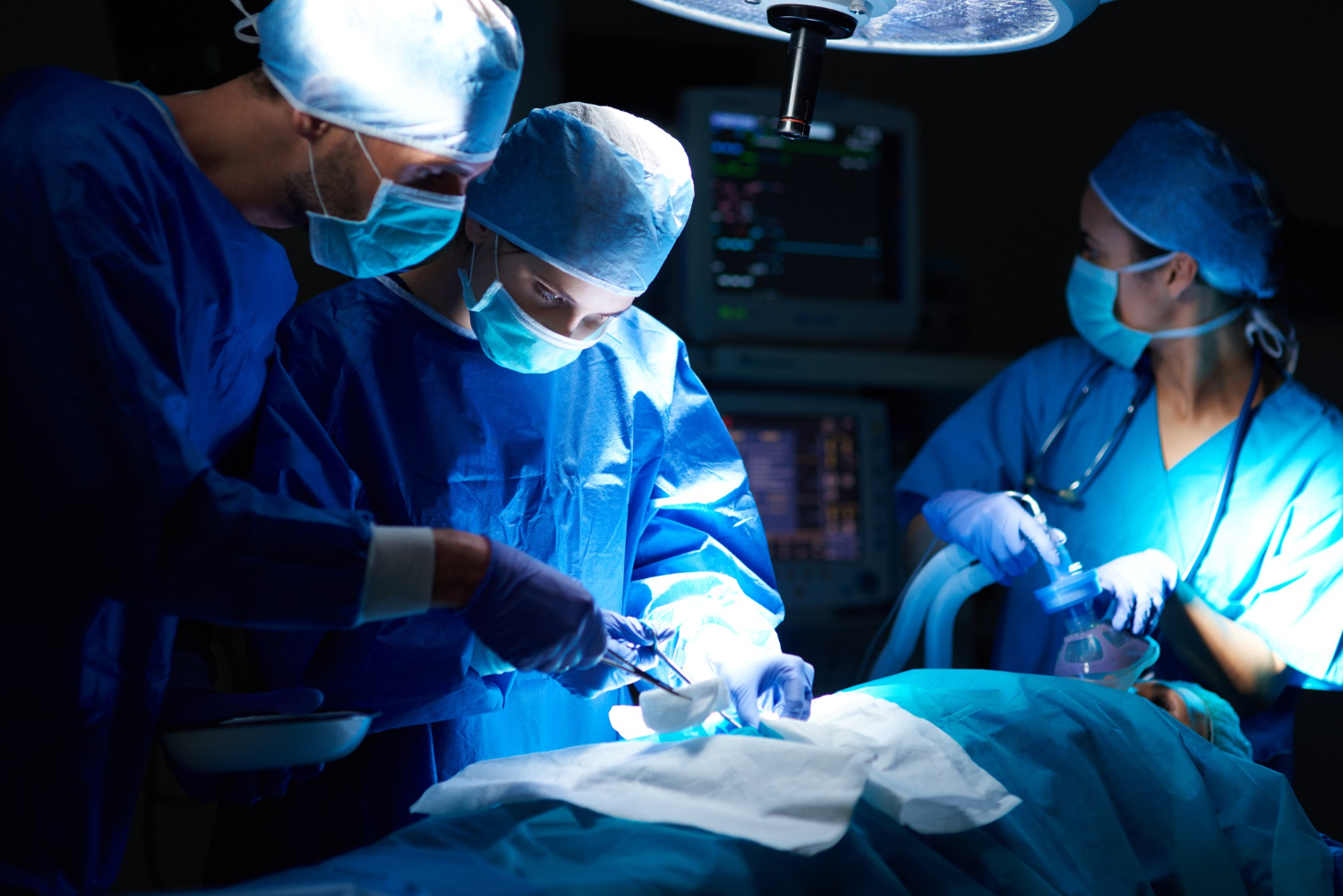
General surgery includes the evaluation and surgical management of a wide range of conditions affecting the abdomen, digestive system, skin, soft tissues, and other parts of the body. Timely diagnosis and appropriate surgical planning can help manage painful, recurring, or progressive conditions effectively. Our general surgery services include appendicitis, gallstones treatment, hernia treatment, umbilical hernia treatment, inguinal hernia treatment, rectal prolapse, pilonidal sinus treatment, fissure treatment, piles treatment, sebaceous cyst surgery, lipoma surgery, diabetic foot ulcer treatment, and thyroidectomy.
Appendicitis occurs when the appendix becomes inflamed and can cause abdominal pain, nausea, vomiting, fever, and loss of appetite. Prompt medical evaluation is important because untreated appendicitis may lead to complications. When surgery is required, appendectomy removes the inflamed appendix.
Gallstones are hardened deposits that develop inside the gallbladder. They may cause abdominal pain, nausea, indigestion, or other symptoms. Evaluation may include imaging and laboratory investigations. When symptomatic gallstones require surgery, gallbladder removal may be recommended based on clinical findings.
A hernia occurs when internal tissue pushes through a weakened area of muscle or surrounding tissue. General surgery services include evaluation and management of different types of hernias.
An umbilical hernia develops around the belly button and may appear as a visible swelling. Treatment depends on its size, symptoms, and risk of complications. Surgical repair may be recommended when clinically appropriate.
An inguinal hernia develops in the groin region and may cause swelling, discomfort, or pain. Surgical hernia repair can strengthen the affected area and prevent complications in suitable patients.
Rectal prolapse occurs when part of the rectum protrudes through the anus. Evaluation helps determine the severity and appropriate management, which may include conservative care or surgical correction.
A pilonidal sinus is an abnormal tract near the tailbone that can become infected and cause swelling, pain, or discharge. Treatment depends on whether the condition is acute, recurrent, or chronic.
Anal fissures are small tears in the anal lining that can cause sharp pain and bleeding during bowel movements. Piles, also known as hemorrhoids, are swollen blood vessels that may cause bleeding, itching, or discomfort. Treatment depends on severity and symptoms.
Sebaceous cyst surgery may be considered for painful, infected, recurrent, or troublesome cysts. Lipoma surgery involves removing benign fatty tissue when it causes discomfort, functional concerns, significant growth, or cosmetic concerns.
Diabetic foot ulcers require careful assessment because diabetes can affect circulation, sensation, and wound healing. Treatment may include wound care, infection management, pressure relief, and coordinated medical care.
Thyroidectomy is a surgical procedure to remove part or all of the thyroid gland. It may be recommended for selected thyroid nodules, goitre, thyroid cancers, or other thyroid conditions following appropriate evaluation.
Every surgical condition requires individualized assessment. Appropriate diagnostic testing, preoperative evaluation, informed consent, surgical planning, postoperative monitoring, and follow-up are important parts of safe and effective general surgery care.