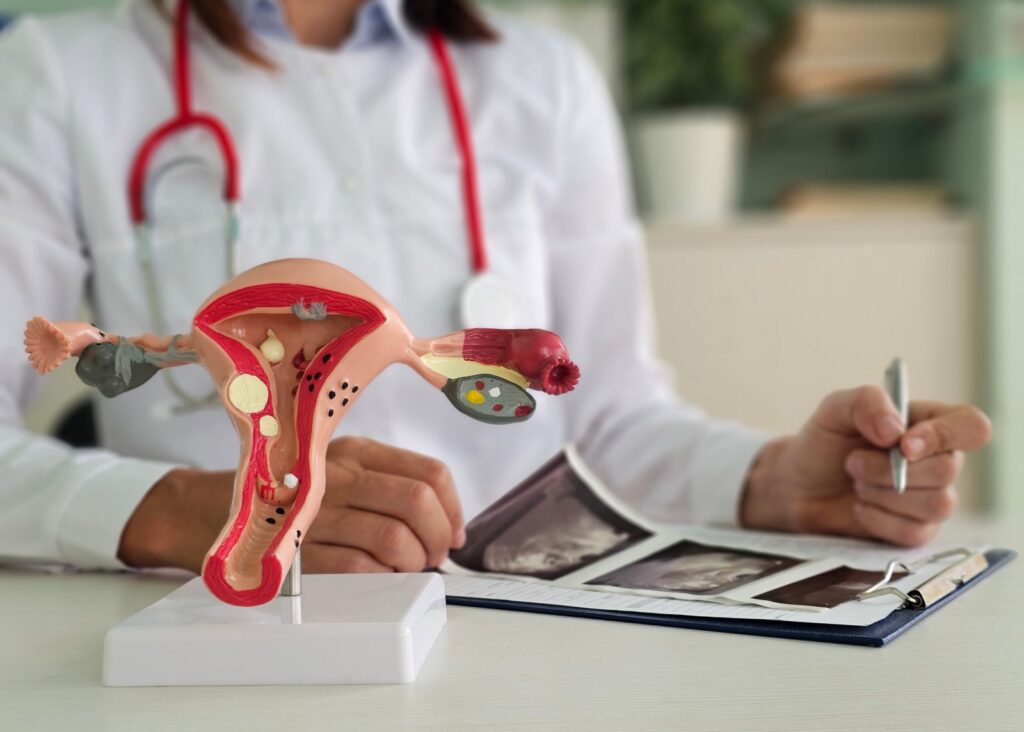
What Is Cervical Cancer Screening?
Cervical cancer screening checks for early signs of cancer in the cervix. The cervix is the lower part of the uterus. Screening helps find changes before they turn into cancer. For example, a Pap smear or HPV test can spot these changes early. According to the CDC, early detection saves lives. Many women do not feel symptoms at first. Therefore, regular screening is important for good health.
Why Is Cervical Cancer Screening Important?
Screening can find problems before they become serious. Because early changes in the cervix often have no symptoms, many women do not know they are at risk. However, with regular tests, doctors can treat changes early. This lowers the chance of cancer developing. In fact, the World Health Organization says screening is one of the best ways to prevent cervical cancer. Early treatment works better and is often simpler.
Who Should Get Screened?
Most women between ages 21 and 65 should get cervical cancer screening. However, some women may need to start earlier or later. For example, women with a weak immune system or a history of cervical changes may need more frequent tests. On the other hand, women over 65 who have had normal results for many years may not need further screening. Always talk to your doctor about your personal risk factors.
When Should You Get Tested?
Knowing when to get tested is key for cervical cancer prevention. Most guidelines suggest starting at age 21. For women aged 21 to 29, a Pap smear every three years is enough. After age 30, you can choose a Pap smear every three years or a Pap smear plus HPV test every five years. If you have had a hysterectomy and no history of cervical cancer, you may not need further screening. However, always check with your healthcare provider for advice based on your health history.
Types of Cervical Cancer Screening Tests
There are two main tests for cervical cancer screening. First, the Pap smear checks for cell changes on the cervix. Second, the HPV test looks for the human papillomavirus, which can cause these changes. Sometimes, both tests are done together. This is called co-testing. Each test is simple and quick. Your doctor will help decide which test is best for you.
How to Prepare for Screening
Preparing for your test is easy. Still, a few steps can help you get the best results. For example, avoid scheduling your test during your period. Also, do not use tampons, vaginal creams, or medicines for two days before your test. In addition, avoid sex for two days before your appointment. These steps help make sure your results are accurate.
What to Expect During and After the Test
During the test, you will lie on an exam table. The doctor will use a small tool to gently open your vagina. Then, they will collect a small sample of cells from your cervix. The test only takes a few minutes. Most women feel mild discomfort, but it should not hurt. After the test, you can return to normal activities right away. Sometimes, you may notice light spotting. If you have heavy bleeding or pain, contact your doctor.
Common Myths and Facts About Cervical Cancer Screening
Many myths can make women worry about screening. However, knowing the facts can help you feel more comfortable. For example, some believe only women with symptoms need screening. In reality, most early changes cause no symptoms. Others think the test is painful, but most women feel only mild discomfort. Another myth is that you do not need screening if you have had the HPV vaccine. Still, regular screening is important for all women, even if vaccinated.
Prevention and Lifestyle Guidance
Besides regular screening, healthy habits can lower your risk of cervical cancer. For instance, getting the HPV vaccine protects against the main virus that causes cervical cancer. Using condoms during sex can also help reduce risk. If you smoke, quitting can make a big difference. Eating a healthy diet and staying active support your immune system. While screening is key, these steps add extra protection for your health.
Conclusion
Cervical cancer screening can help detect cervical changes early, often before symptoms appear. Following an appropriate screening schedule based on your age, health history, and risk factors can support early detection and timely care. Regular discussions with your gynaecologist can help you understand which test is right for you.
Stay proactive about your cervical health with timely screening and expert guidance.
Consult Dr. Deepthi for personalised advice on cervical cancer screening and preventive care.